Frequently Asked Questions
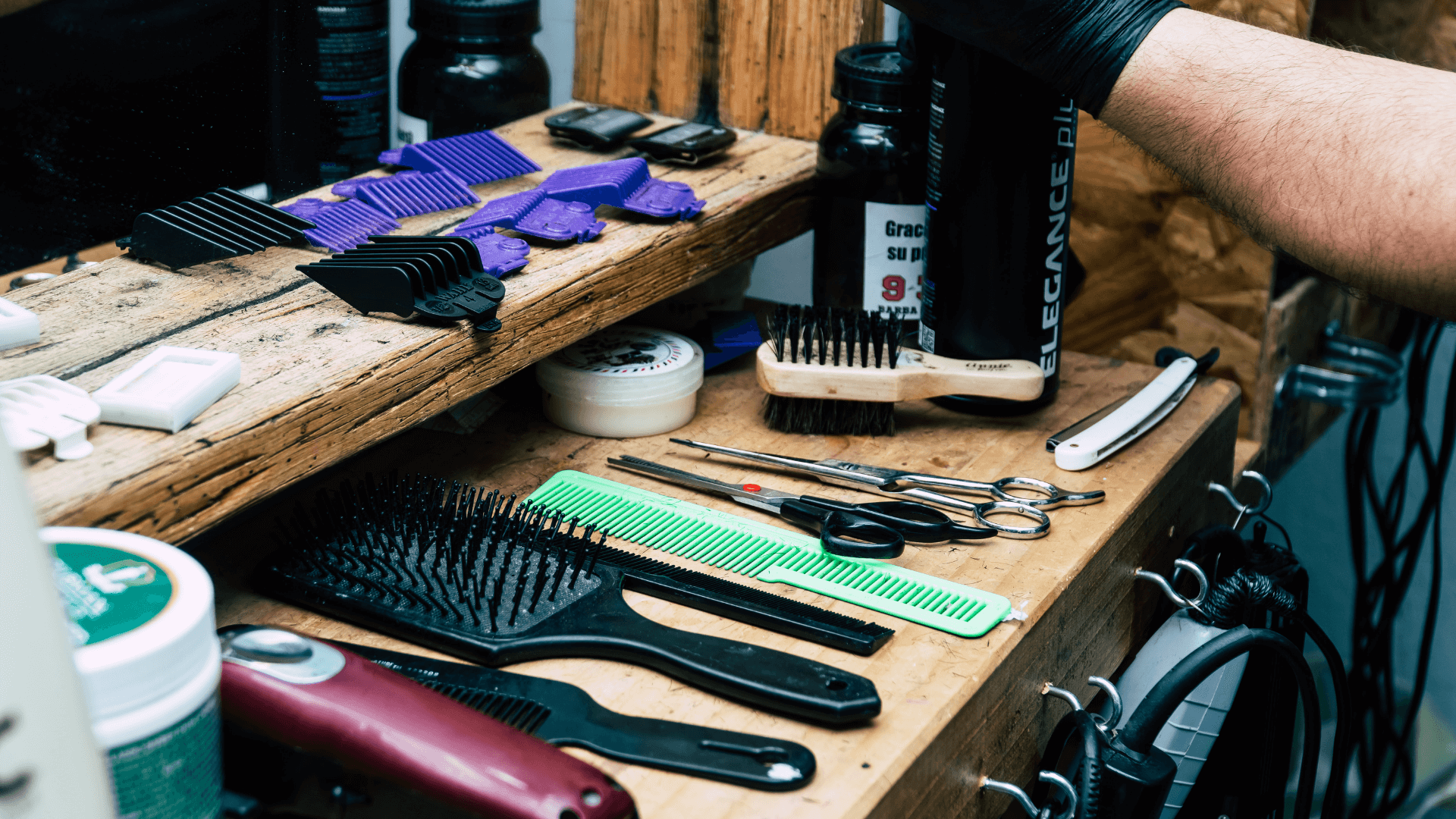
For achieving precise fading techniques in barbering, cordless clippers and adjustable blade clippers are often regarded as the best options. Cordless models provide flexibility and maneuverability, allowing barbers to navigate around the head with ease while executing seamless transitions between different lengths of hair. Adjustable blade clippers enable quick changes in cutting length, which is crucial for creating smooth blends from longer top sections to shorter sides and back areas. Additionally, clipper guards ranging from #0 to #4 facilitate a variety of fade styles such as low fades, mid fades, and high fades by ensuring consistent blending without harsh lines. Barbers also benefit from using trimmers designed for detailing work around edges and necklines after a fade has been established; these tools refine outlines to achieve clean finishes that enhance client satisfaction. Ultimately, incorporating quality brands known for durability—such as Wahl or Andis—can significantly elevate the precision involved in crafting intricate faded hairstyles that meet contemporary trends.
Different blade sizes significantly influence hair cutting styles and outcomes by dictating the length, texture, and overall appearance of the hairstyle. For instance, larger blades typically yield longer cuts that facilitate smooth layering and bulk removal, making them ideal for creating soft transitions in hairstyles such as lobs or long layers. Conversely, smaller blades allow for precision cutting techniques like point-cutting or texturizing, which are essential for achieving intricate detailing in short pixie cuts or edgy bobs. Additionally, specific guard lengths on clippers determine how much hair is left after a cut; shorter guards produce close-cropped styles often seen in fades or undercuts while longer guards can enhance volume and shape in curly textures. Consequently, understanding these variations enables stylists to tailor their approach based on client preferences—balancing factors such as maintenance level with desired aesthetics through careful selection of blade size during the haircutting process.
Before a haircut, it is essential to prep the hair with specific products that enhance manageability and ensure optimal results. A clarifying shampoo can be used first to remove any buildup from styling products or excess oils, promoting a clean slate for cutting. Following this, a moisturizing conditioner helps to hydrate and detangle the strands, making them easier to work with during the haircutting process. Hair serums enriched with silicones or natural oils provide additional slip and shine while protecting against heat damage if blow-drying is involved afterward. Finally, using a leave-in conditioner can further aid in achieving smoothness and softness, allowing stylists greater control when cutting through various textures—ensuring precision in layered styles or blunt cuts alike.
For achieving precise lines during beard grooming, combs specifically designed for detailing are the most effective tools. These fine-toothed razors or precision combs typically feature a narrow width and closely spaced teeth that allow for meticulous control when shaping edges and creating sharp contours along the jawline, cheekbones, and mustache area. Combs made from high-quality materials such as stainless steel or durable plastic provide smooth glide without snagging hair follicles, ensuring a clean finish. Models equipped with ergonomic handles enhance maneuverability in hard-to-reach areas while minimizing wrist strain. Additionally, tapering combs serve to blend different lengths seamlessly, contributing to an overall polished appearance without compromising on sharpness of lines. Beard stylists often recommend using these specialized grooming accessories alongside clippers or trimmers to achieve defined outlines essential for maintaining immaculate facial hair styles like fades or goatees.
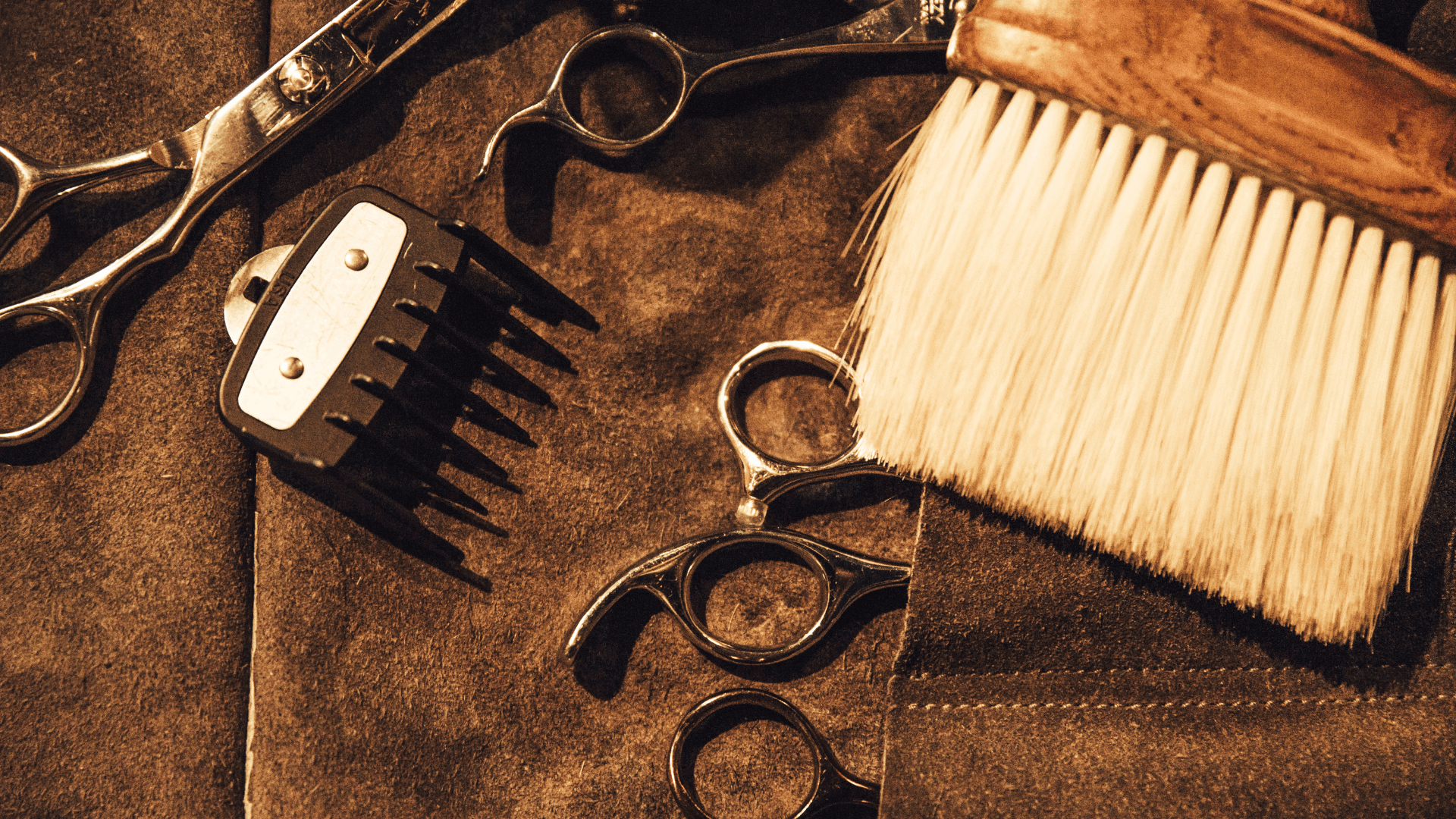
Barbers can ensure the longevity and performance of their tools by adhering to a meticulous maintenance routine that includes regular cleaning, sharpening, and proper storage. Utilizing high-quality disinfectants specifically designed for grooming implements is essential for eliminating bacteria and preventing cross-contamination between clients. After each use, clippers should be brushed to remove hair debris, while scissors require wiping with an alcohol-based solution to maintain hygiene standards. Additionally, barbers must routinely oil clipper blades using specialized lubricating oils to prevent rusting and overheating during extended usage; this also enhances cutting precision and reduces friction wear on the edges. Properly storing tools in protective cases or designated toolboxes helps safeguard against physical damage while maintaining optimal organizational practices within the workspace. By implementing these detailed care techniques consistently, barbers can extend the life span of their shears, razors, combs, brushes—and ultimately enhance overall service quality offered at their establishments.